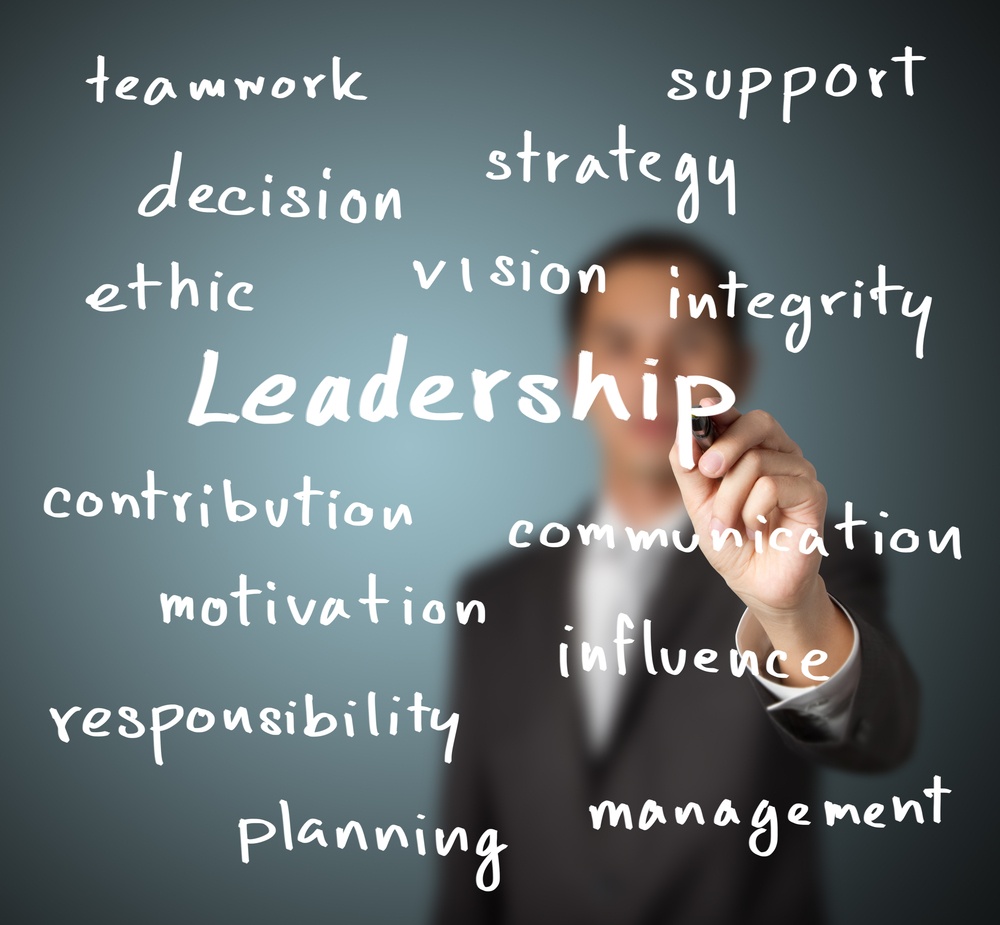
One of the most pressing concerns for senior HR managers today is building a robust pipeline of future leaders. Organizations across industries are facing rapid retirements, high turnover, and emerging skill gaps at the leadership level. In fact, research shows that only about half of critical leadership roles could be immediately filled by internal candidates on average – a sobering statistic that signals a looming leadership pipeline crisis. To ensure long-term success, companies must invest in leadership development and succession planning as a strategic priority.
The Leadership Gap:
Many companies simply aren’t confident in their bench strength. One study found a staggering 80% of organizations are not confident in their leadership pipeline or bench for critical roles. This lack of ready talent means that when a senior executive leaves or the business expands into a new area, the organization may struggle to find a qualified leader. It can lead to costly external hires or, worse, leadership voids that disrupt execution. Moreover, workforce disruptions in recent years (such as the pandemic and economic shifts) have strained leaders and potential leaders alike – nearly 40% of senior leaders report high burnout and some are even considering exiting their roles. This churn at the top makes succession planning more urgent than ever.
The Cost of Poor Succession Planning:
Without a proactive plan, companies often pay a price. Critical roles might be filled in haste by underprepared managers, leading to subpar performance. Or organizations may engage in expensive executive searches to poach talent from outside, which can cost upwards of 213% of the executive’s salary if the hire turns out to be a bad fit. In contrast, promoting from within – when done right – tends to be more successful because internal candidates know the culture and have established relationships. Notably, enterprises that excel at internal leadership development are more resilient: they can navigate changes smoothly because leaders at all levels are ready to step up. Given that one in three CEOs failed to achieve their desired outcomes from past transformations (often due to talent issues), nurturing capable leaders internally is a form of risk management for major initiatives.
Leadership Development as a Strategic Investment:
To address these challenges, HR should champion a comprehensive leadership development program that identifies and nurtures high-potential employees over time. Arcus Consulting Group’s philosophy is illuminating here – “no organization has ever become great without exceptional leadership”. Exceptional leaders aren’t born; they’re developed through deliberate practice and opportunity. A robust program often includes:
- Training and Education: Formal training on essential leadership competencies (strategic thinking, people management, financial acumen, etc.) is a cornerstone. For example, Arcus’s Leadership Development Program uses a “mind-set, skill-set, tool-set” approach, blending conceptual learning with practical tools. It draws on proven frameworks and even insights from renowned experts like Jack Welch and Ram Charan to instill best practices. Training should be ongoing, not one-off – e.g. a series of workshops or an internal “leadership academy” that employees progress through as they rise in the ranks.
- Rotational Assignments and Stretch Roles: Experience is the best teacher. High-potentials should be given stretch assignments that push them beyond their comfort zone – managing a new team, leading a project, or taking an expatriate role abroad. These rotations build versatility and expose future leaders to different facets of the business. It aligns with the concept of unleashing talent: placing individuals in roles where they must grow (with support) to succeed. In doing so, you prepare them for larger responsibilities.
- Mentoring and Coaching: Establishing mentorship programs can accelerate development. Seasoned leaders imparting wisdom to up-and-comers not only transfers knowledge but also preserves institutional culture. Many organizations pair each high-potential with an executive mentor. Professional coaching is another powerful tool, especially for refining soft skills and self-awareness. Leaders who receive coaching have been shown to improve in areas like communication, empathy, and decision-making – traits crucial for senior roles.
- Measuring and Tracking Progress: HR should use data to inform leadership development. Assessments (360-degree feedback, personality inventories, simulations) can identify strengths and areas for improvement in emerging leaders. Over time, tracking metrics like promotion rates of program participants, performance of their teams, and retention of high-potentials provides insight into the program’s ROI. Encouragingly, HR professionals report that when they leverage people analytics and deliberate development, they are 3.7 times more likely to convert internal talent into ready-now leaders. This underscores that data-driven development efforts yield tangible results in pipeline strength.
Succession Planning in Practice:
Succession planning is the structured process that complements development. HR should maintain a succession plan for all key leadership positions – not just the C-suite, but any role whose vacancy would seriously disrupt the business. Effective succession planning involves:
- Identifying one or more potential successors for each key role and assessing their readiness (e.g., ready immediately, or in 1-2 years with more grooming). As noted, currently only 20% of CHROs feel they have a ready successor for critical roles, so having even a couple of candidates in the pipeline sets you ahead.
- Creating individual development plans for these successors, tailored to fill experience or skill gaps. For instance, if a successor lacks experience in international markets, assign them to a global project.
- Gaining leadership alignment on the plan – boards and CEOs should regularly review succession depth. It’s notable that boards are increasingly interested in leadership pipeline health as part of governance.
- Testing the plan through “fire drills” or interim assignments. When a leader is on leave or the company undertakes a new project, deliberately put a potential successor in charge as a trial run. This provides real feedback on their capability and further develops them.
Culture and Retention of Future Leaders:
Beyond formal plans, HR must also address culture. High-potential employees are highly sought after and can be wooed by competitors. To retain your future leaders, you must create an environment where they see a promising future. This includes visible career paths, as well as a culture that values innovation, diversity, and work-life balance (to avoid burnout). According to a LinkedIn workplace learning report, 90% of companies are concerned about retaining talent and say providing learning and growth opportunities is key to engagement. Indeed, younger generations like Gen Z explicitly seek employers who will invest in their development and progression. Thus, leadership development programs are not just about skill-building – they’re also a retention strategy.
The Payoff: Organizations that actively cultivate leadership talent reap significant benefits. They can fill vacancies quickly with minimal disruption, because successors are prepared. They often enjoy stronger business performance; one study found companies that effectively develop leaders have 2X higher odds of achieving top financial performance compared to those that don’t, likely due to better decision-making and agility. Also, companies with a reputation for developing and promoting internal talent attract ambitious high-performers in the job market, creating a virtuous cycle.
In conclusion, leadership development and succession planning are no longer optional – they are mission-critical tasks for HR and executives alike. By implementing structured programs (such as Arcus’s Great Leaders, Great Teams, Great Results framework) and by treating succession planning as a living process rather than a static chart, you can future-proof your organization. Arcus Consulting Group works with HR and leadership teams to craft customized development journeys and succession plans, leveraging global best practices and proprietary tools. With the right foresight and investment, your organization can face the future with confidence, knowing that the next generation of leaders is ready to step up and carry the company forward.